
Macular Hole Specialist in Connecticut
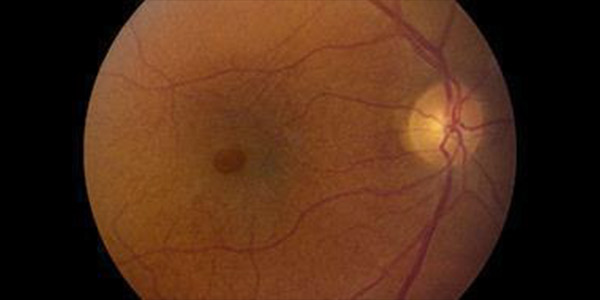
Macular holes develop when excessive traction develops in the center of the retina leading to a circular defect in the macular area. The tissue defect results in loss of vision and a central blind spot or area of distortion. Most holes develop as the result of abnormal separation of the vitreous gel from the retinal surface with age. Macular holes are more common in females than males and both eyes can be affected 10-20% of the time. Retina surgery (vitrectomy) has a high success rate in repairing macular holes with resultant improvement in vision. At the time of surgery, a gas bubble is placed into the back of the eye and some patients may need to position face down or look down for up to a week to allow the hole to close. In select cases, medication injection with Jetrea (ocriplasmin) may be considered as an alternative to surgery.

Additional Treatments You May Like

Additional Treatments You May Like
- Macular Degeneration
- Scleral Buckling
- Uveitis
- Macular Edema
- Photodynamic Therapy (PDT)
- Degenerative Myopia
- Laser Photocoagulation
- Retinal Detachment
- Diabetic Retinopathy
- Lattice Degeneration
- Pneumatic Retinopexy
- OCT
- BRVO
- Inherited Retinal Disorders
- Macular Hole
- Flashes and Floaters
- Macular Pucker
- Angiography
- CRVO
- Cryotherapy
- Retinal Artery Occlusion
- Intravenous Fluorescein Angiogram
- Retinal Tear
- Vitrectomy
- AMD
- Intravitreal Injections
- Complications After Cataract Surgery
- CSCR
- Pars Plana Vitrectomy